

Outdoor Furniture Guide
Outdoor Furniture Buying Guide: Durability Meets Design
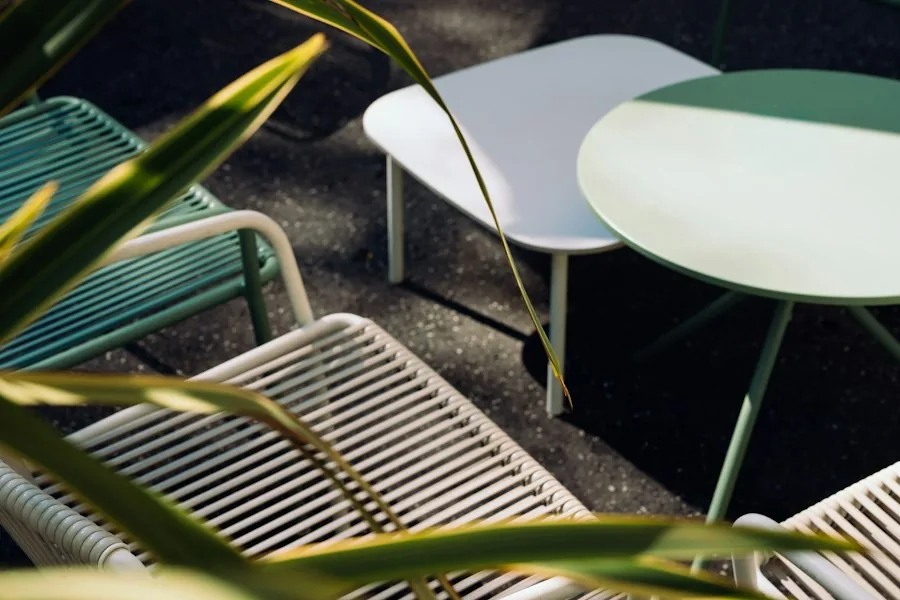
Outdoor furniture must perform under changing weather while still creating a comfortable and attractive space. The right selection depends on climate, intended use, maintenance expectations, storage and the visual character of the project.
1. Begin With the Environment
A covered hotel terrace, an open garden and a coastal outdoor area place different demands on furniture. Before selecting products, identify exposure to rain, sunlight, humidity, wind and temperature changes. Also consider how frequently the space will be used and whether furniture will remain outdoors throughout the year.
2. Match Materials to the Conditions
Material choice affects weight, appearance, maintenance and long-term performance. Common outdoor options include metal frames, synthetic woven materials, treated wood and weather-suitable tabletops or fabrics. Each should be reviewed in relation to the intended environment rather than selected by appearance alone.
- Ask how exposed metal parts are finished and protected.
- Review resistance to moisture and prolonged sunlight.
- Confirm whether cushions and covers can be removed or replaced.
- Consider product weight where wind or frequent relocation is a concern.
3. Evaluate Comfort and Intended Use
Dining chairs, lounge seating and sun loungers serve different activities. Seat height, depth, back support and cushion construction should suit the time users are expected to spend in the space. For commercial projects, comfort should be balanced with easy cleaning and efficient operation.
4. Plan Space, Movement and Storage
Good layouts preserve circulation and make the area easy to operate. Record the available dimensions, doorways, pathways and service routes before deciding quantities. Stackable, foldable or modular products may be useful where the arrangement changes frequently or seasonal storage is required.
5. Understand Maintenance Requirements
Outdoor furniture lasts longer when care expectations are realistic. Buyers should understand cleaning methods, recommended covers, cushion storage and inspection of hardware or connections. A product that is simple to maintain may be more suitable for a busy commercial environment than one that requires frequent specialist care.
6. Keep the Collection Visually Consistent
Shape, color, material and scale should connect with the surrounding architecture and landscape. For larger projects, define a simple visual direction and apply it consistently across dining, lounge and occasional furniture.
Include site type, climate or exposure, layout dimensions, required products, quantities, preferred materials, color direction, destination and target schedule.