

School Furniture Guide
Essential School Furniture for Modern Learning Environments
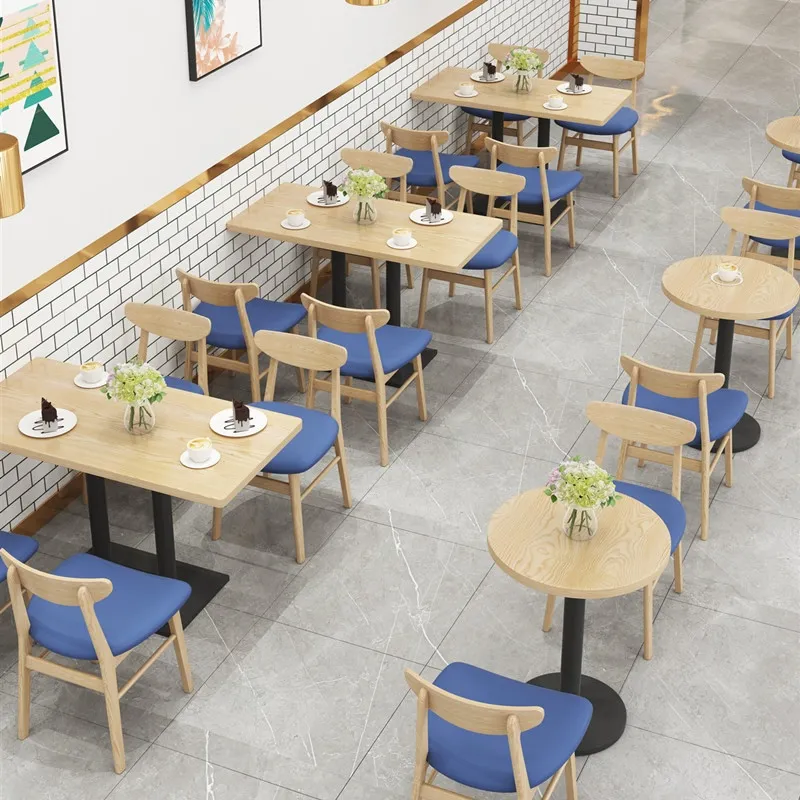
Furniture influences how students sit, move, focus, collaborate and use a learning space. A well-prepared school furniture plan should balance comfort, durability, safety, maintenance and the way each room is expected to function.
1. Student Desks and Chairs
Student furniture should suit the age group, lesson format and available floor area. Proportion, seating comfort and a stable work surface matter during long periods of classroom use. For rooms that support several activities, consider whether desks need to be moved, grouped or stored efficiently.
- Confirm the target age group and preferred desk height.
- Consider individual, paired or group learning layouts.
- Review surface durability and ease of daily cleaning.
- Allow enough circulation space between furniture rows.
2. Teacher Podiums and Workstations
A teacher workstation should provide an organized place for lesson materials, devices and daily supplies without limiting visibility across the classroom. Storage configuration, cable access and working height should be considered together.
In lecture rooms or specialist classrooms, the brief may also include presentation equipment, lockable compartments or additional work surfaces.
3. Dormitory Furniture
Dormitory layouts require careful use of limited space. Beds, wardrobes, desks and storage must work as one system while leaving safe access routes. For bunk beds, structural stability, guard protection and ladder positioning deserve particular attention.
Before sourcing, prepare the room dimensions, ceiling height, planned occupancy and storage requirements for each resident.
4. Safety, Durability and Maintenance
School furniture experiences frequent use, so stable construction and practical finishes are important. Rounded contact edges, secure connections and materials suited to the intended environment can reduce avoidable risks and maintenance demands.
- Match materials to the frequency and type of use.
- Review edges, corners, hardware and moving components.
- Specify surfaces that can be maintained with the available cleaning routine.
- Confirm applicable project or market requirements before final approval.
5. Furniture for Flexible Learning
Modern learning environments may switch between instruction, teamwork, independent study and presentations. Modular tables, movable seating and adaptable storage can help a room support more than one teaching method, provided stability and safe circulation are maintained.
Include room plans, student age groups, quantities, dimensions, preferred materials, colors, delivery destination and target schedule. Reference photos or drawings can make the requirement easier to review.